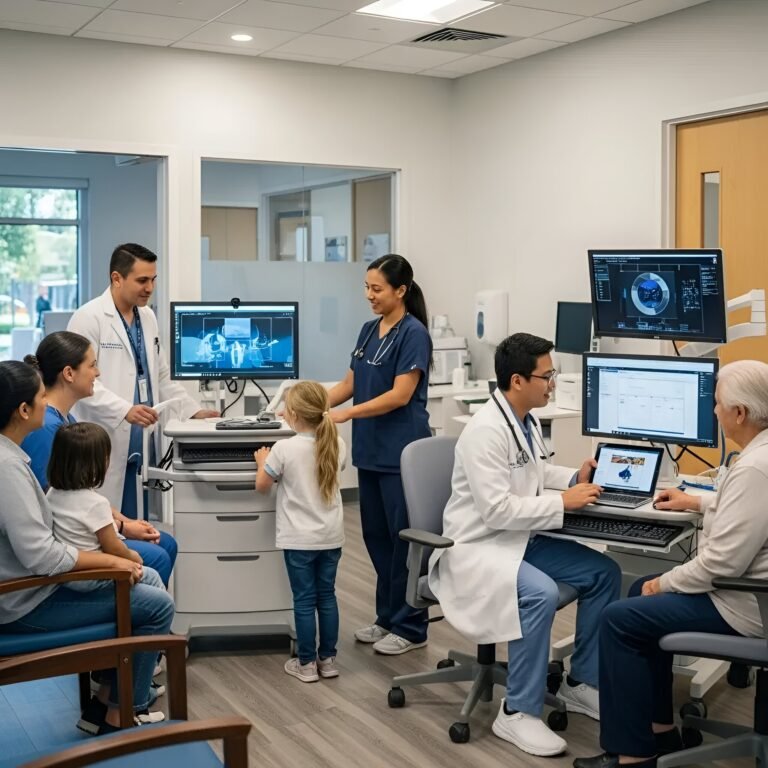

In today’s fast-paced world, taking control of your health is no longer optional—it’s essential. Rising rates of chronic illness, mental health challenges, and lifestyle-related conditions make proactive healthcare a cornerstone of long-term well-being. The good news is that with the right medical support, individuals can shift from reactive treatment to informed, empowered health management.
Medical support goes far beyond visiting a doctor only when you’re sick. It includes preventive care, access to trusted healthcare professionals, coordinated treatment plans, patient education, and ongoing guidance tailored to your unique needs. Done right, medical support helps you make informed decisions, detect issues early, and live a healthier, more confident life.
This guide explores how the right medical support empowers you to take control of your health—physically, mentally, and emotionally—while building a sustainable partnership with healthcare professionals you can trust.
Why Taking Control of Your Health Matters More Than Ever
Healthcare has evolved dramatically over the past decade. Patients are no longer passive recipients of care—they are active participants in their health journey.
The Shift from Reactive to Preventive Care
Traditionally, healthcare focused on treating illness after symptoms appeared. Today, preventive care—including routine checkups, screenings, and lifestyle guidance—reduces the risk of serious conditions and improves outcomes.
By taking control of your health, you can:
- Identify risk factors early
- Prevent chronic diseases
- Reduce healthcare costs over time
- Improve quality of life and longevity
The Impact of Lifestyle and Chronic Conditions
Conditions like diabetes, heart disease, obesity, and hypertension are often influenced by lifestyle choices. With proper medical support, patients receive guidance on nutrition, exercise, stress management, and medication adherence—key factors in controlling or even reversing disease progression.
Mental Health Is Health
Taking control of your health also means prioritizing mental and emotional well-being. Anxiety, depression, and stress-related conditions are increasingly common. Integrated medical support ensures mental health care is treated with the same importance as physical health.
What the Right Medical Support Really Means
Not all medical care is created equal. The “right” medical support is personalized, accessible, and focused on long-term health—not just quick fixes.
Patient-Centered Care
Patient-centered care prioritizes your individual needs, preferences, and goals. It involves open communication, shared decision-making, and respect for your values.
Key aspects include:
- Listening to patient concerns
- Explaining diagnoses and treatment options clearly
- Encouraging questions and active participation
- Customizing care plans to your unique needs
A Multidisciplinary Healthcare Team
Effective medical support often involves a collaborative team of professionals, including:
- Primary care physicians
- Specialists
- Nurses and nurse practitioners
- Mental health professionals
- Nutritionists and physical therapists
This team-based approach ensures comprehensive care, especially for complex or chronic conditions.
Continuity and Coordination of Care
When healthcare providers communicate and share information effectively, patients benefit from seamless care. Coordinated support reduces errors, avoids duplicate testing, and ensures treatments work together effectively.
How Medical Support Helps You Manage and Prevent Health Conditions
One of the most powerful benefits of proper medical support is its role in prevention and long-term disease management.
Preventive Screenings and Early Detection
Routine screenings can detect conditions such as:
- High blood pressure
- Diabetes
- Cancer
- Heart disease
Early detection often leads to simpler treatments, better outcomes, and improved survival rates.
Chronic Disease Management
For individuals with chronic conditions, consistent medical support is life-changing. Structured care plans help patients:
- Monitor symptoms and progress
- Adjust medications safely
- Prevent complications
- Improve daily functioning
Regular follow-ups and education empower patients to manage their conditions confidently.
Personalized Treatment Plans
No two patients are the same. The right medical support considers:
- Medical history
- Genetics
- Lifestyle factors
- Personal goals
Personalized care leads to better adherence, fewer side effects, and more effective results.
Choosing the Right Medical Provider for Long-Term Health
Your healthcare provider plays a critical role in your ability to take control of your health. Choosing the right one is an investment in your future.
Qualities to Look for in a Healthcare Provider
A strong medical provider should offer:
- Proven expertise and credentials
- Clear, compassionate communication
- A focus on prevention and education
- Respect for patient autonomy
- Easy access and continuity of care
The Importance of Trust and Communication
Trust is the foundation of effective healthcare. When patients feel heard and respected, they are more likely to:
- Share concerns honestly
- Follow treatment recommendations
- Stay engaged in their care
Open communication leads to safer, more effective outcomes.
Technology and Modern Medical Support
Many healthcare practices now offer:
- Telemedicine appointments
- Secure patient portals
- Digital health records
- Remote monitoring tools
These innovations make healthcare more accessible and keep patients connected to their medical team.
Building a Long-Term Partnership with Your Medical Team
Taking control of your health is an ongoing partnership—not a one-time decision.
Be an Active Participant
Patients who actively engage in their healthcare tend to have better outcomes. This includes:
- Tracking symptoms
- Asking informed questions
- Understanding medications
- Attending regular appointments
Health Education and Empowerment
The right medical support equips you with knowledge. Understanding your condition and treatment options allows you to make confident decisions that fit your lifestyle and goals.
Adapting Care as Life Changes
Your health needs evolve over time. A trusted medical team adjusts your care plan as you age, experience life changes, or develop new health concerns.
FAQs: Taking Control of Your Health with Medical Support
What does taking control of my health mean?
It means actively participating in your healthcare by making informed decisions, prioritizing preventive care, and working closely with medical professionals to manage your well-being.
How do I choose the right medical provider?
Look for experience, clear communication, patient-centered care, and a provider who prioritizes long-term health rather than just treating symptoms.
Why is preventive care important?
Preventive care detects health issues early, reduces serious complications, lowers healthcare costs, and improves overall quality of life.
Can medical support help with chronic conditions?
Yes. Ongoing medical support is essential for managing chronic conditions, preventing complications, and improving daily functioning and long-term outcomes.
How often should I see my healthcare provider?
Frequency depends on age, health status, and risk factors. Most adults benefit from at least an annual checkup, with more frequent visits for chronic conditions.
Take the First Step Toward Better Health Today
Your health is your most valuable asset—and you deserve the right medical support to protect it. Whether your focus is prevention, managing a chronic condition, or finding a trusted healthcare partner, professional medical guidance makes all the difference.
Schedule an appointment today and take control of your health with compassionate, personalized medical care designed around you.