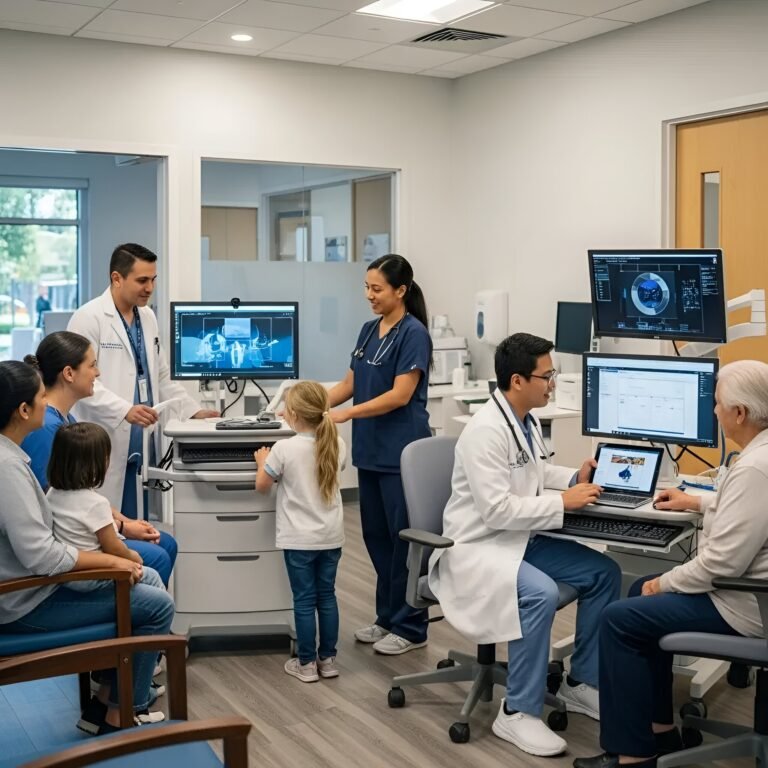
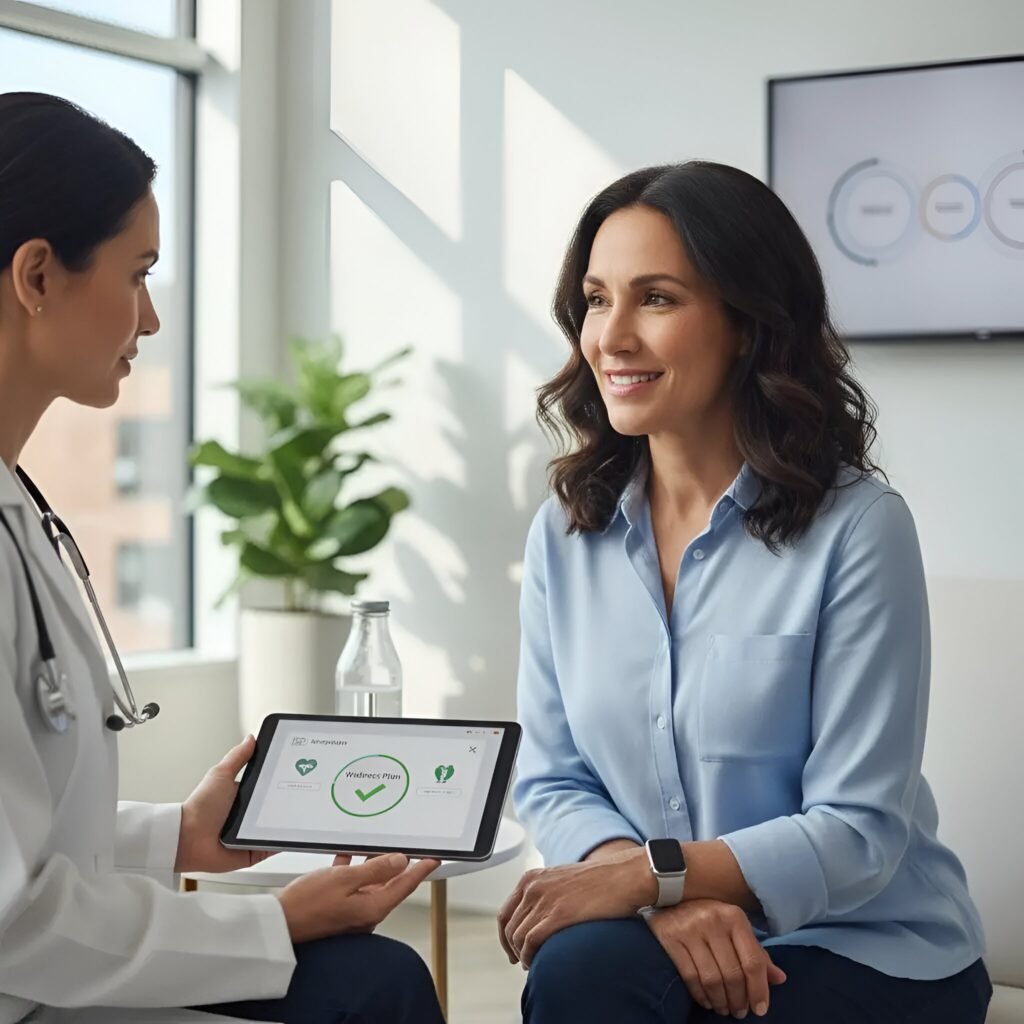
Modern healthcare has evolved far beyond simply treating illness after it appears. Today, healthcare systems increasingly emphasize preventing disease, delivering evidence-based treatments, and promoting lifelong wellness. This integrated approach not only improves patient outcomes but also enhances quality of life, reduces healthcare costs, and empowers individuals to take an active role in their health.
With the global rise of chronic diseases, mental health challenges, and lifestyle-related conditions, modern healthcare prioritizes early intervention, personalized care, and holistic well-being. In this article, we explore how prevention, treatment, and wellness work together to shape the future of healthcare—and why this shift is more critical than ever.
Understanding the Evolution of Modern Healthcare
Healthcare has undergone a dramatic transformation over the last several decades. Traditional models were primarily reactive, focusing on diagnosing and treating illness after symptoms appeared. While this approach saved countless lives, it often overlooked underlying causes, long-term health risks, and overall well-being.
Modern healthcare embraces a proactive and patient-centered model, leveraging advances in medical technology, research, and digital health tools. This approach recognizes that optimal health is not simply the absence of disease but a state of physical, mental, and emotional balance.
Key drivers of modern healthcare include:
- Increasing prevalence of chronic conditions such as diabetes, heart disease, and obesity
- Growing awareness of mental health and emotional well-being
- Advances in diagnostics, precision medicine, and data analytics
- A shift toward value-based and preventive care
By addressing health across the entire lifespan, modern healthcare creates a more sustainable and effective system for individuals and communities alike.
The Role of Preventive Care in Modern Healthcare
Preventive care forms the foundation of modern healthcare. It focuses on reducing the risk of disease before it develops through early detection, lifestyle modifications, and routine medical care.
Importance of Early Detection and Screening
Early detection can dramatically improve treatment outcomes and survival rates for many conditions. Preventive screenings identify potential health issues before symptoms become noticeable.
Common preventive screenings include:
- Blood pressure and cholesterol checks
- Cancer screenings (breast, cervical, colorectal, and prostate)
- Diabetes screening and blood glucose monitoring
- Bone density tests for osteoporosis
- Mental health and cognitive assessments
By identifying risks early, healthcare providers can intervene sooner, often using less invasive and more effective treatments.
Lifestyle Medicine and Disease Prevention
Lifestyle medicine is crucial in preventing disease. Many prevalent health conditions are linked to modifiable lifestyle factors, including diet, physical activity, sleep, stress, and substance use.
Modern healthcare providers emphasize:
- Nutrition counseling and balanced eating plans
- Regular physical activity and exercise
- Stress management and mindfulness practices
- Sufficient sleep and recovery
- Smoking cessation and substance abuse prevention
Addressing these factors not only lowers the risk of chronic illness but also supports long-term wellness and overall health.
Advanced Treatment Approaches in Modern Medicine
While prevention is essential, effective treatment remains a cornerstone of healthcare. Advances in diagnostics, therapeutics, and personalized care have made treatment more precise, effective, and patient-focused.
Evidence-Based and Personalized Treatment
Modern healthcare relies on evidence-based medicine, which uses the best available scientific research to guide clinical decisions. Advances in genetics and data analytics also enable personalized care, tailoring treatment to each patient’s unique needs.
Personalized treatment considers:
- Genetic predispositions
- Medical history and lifestyle factors
- Environmental and social determinants of health
- Patient preferences and values
This approach ensures treatments are not only clinically effective but also aligned with each individual’s health goals.
Technology and Innovation in Treatment
Technological innovation has transformed healthcare delivery. From minimally invasive surgeries to AI-assisted diagnostics, modern treatments are safer, faster, and more precise.
Key innovations include:
- Telemedicine and virtual care
- Robotic and minimally invasive surgery
- Advanced imaging and diagnostic tools
- Targeted therapies and biologics
- Digital health monitoring devices
These innovations improve access, accuracy, and recovery times, enhancing both patient outcomes and experiences.
Wellness as a Core Pillar of Modern Healthcare
Wellness is no longer optional—it is essential. It focuses on maintaining balance across physical, mental, emotional, and social dimensions of health.
Mental and Emotional Well-Being
Mental health is deeply connected to physical health. Conditions such as anxiety, depression, and chronic stress can significantly impact overall wellness.
Modern healthcare emphasizes:
- Mental health screenings and early intervention
- Access to therapy, counseling, and psychiatric care
- Stress management and resilience training
- Support for emotional well-being at every life stage
Prioritizing mental health improves both physical health outcomes and quality of life.
Integrative and Holistic Care Models
Holistic care treats the whole person, not just individual symptoms. Integrative healthcare combines conventional medicine with complementary approaches to support total wellness.
Examples include:
- Combining nutrition, physical therapy, and behavioral health
- Incorporating mindfulness, meditation, or relaxation practices
- Coordinating care across multiple healthcare providers
- Addressing social and environmental factors that influence health
This approach fosters long-term wellness rather than temporary symptom relief.
How Prevention, Treatment, and Wellness Work Together
Modern healthcare is most effective when prevention, treatment, and wellness are integrated. These elements are interconnected and support continuous, comprehensive care.
For example:
- Preventive screenings detect a condition early
- Evidence-based treatment addresses it effectively
- Wellness strategies support recovery and reduce recurrence
This integrated model empowers patients, improves outcomes, and reduces the overall burden on healthcare systems.
Benefits of a Modern Healthcare Approach
A prevention-, treatment-, and wellness-focused healthcare model offers numerous benefits:
- Improved long-term health outcomes
- Reduced healthcare costs through prevention
- Enhanced patient engagement and satisfaction
- Better management of chronic conditions
- Increased life expectancy and quality of life
By focusing on proactive and holistic care, modern healthcare helps individuals thrive, not just survive.
The Future of Modern Healthcare
The future of healthcare is defined by innovation, personalization, and integration. Emerging trends include:
- Greater use of artificial intelligence and predictive analytics
- Expansion of telehealth and remote monitoring
- Increased focus on social determinants of health
- Stronger emphasis on preventive and wellness-based care
As healthcare evolves, the goal remains clear: provide accessible, high-quality care that supports lifelong health and well-being.
Frequently Asked Questions (FAQs)
What is modern healthcare?
Modern healthcare is a patient-centered approach that emphasizes disease prevention, evidence-based treatment, and overall wellness rather than solely treating illness after it occurs.
Why is preventive care important?
Preventive care helps detect health issues early, reduces the risk of chronic disease, lowers healthcare costs, and improves long-term health outcomes.
How does wellness fit into modern healthcare?
Wellness focuses on physical, mental, and emotional well-being, helping individuals maintain balance, prevent illness, and enhance quality of life.
What role does technology play in modern healthcare?
Technology improves diagnostics, treatment precision, access to care, and patient engagement through telemedicine, digital monitoring, and AI-powered solutions.
How can patients benefit from a holistic healthcare approach?
Holistic care addresses the whole person, leading to better health outcomes, improved satisfaction, and sustainable long-term wellness.
Take Control of Your Health
Take charge of your well-being with a modern, patient-focused healthcare approach. Schedule a consultation with our healthcare professionals today to learn how preventive care, advanced treatments, and wellness services can support your long-term health.