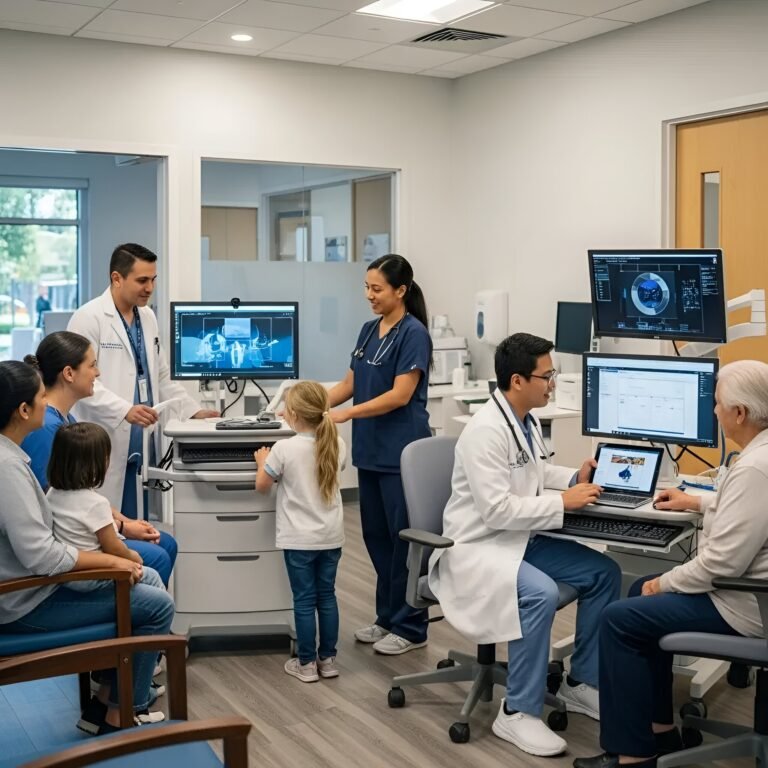

Early detection is one of the most powerful tools in modern medicine. Many serious health conditions—such as heart disease, diabetes, cancer, and autoimmune disorders—develop quietly, often showing few or no symptoms in their early stages. This is where primary care plays a critical role.
Primary care physicians (PCPs) serve as the first line of defense in identifying potential health problems before they become severe, costly, or life-threatening. Through regular checkups, preventive screenings, and ongoing patient relationships, primary care helps detect health issues early—improving outcomes and saving lives.
In this guide, we’ll explore how primary care works, why early detection matters, and how routine medical visits can safeguard your long-term health.
What Is Primary Care?
Primary care refers to comprehensive, continuous healthcare provided by a physician who manages most of a patient’s physical and mental health needs. Services typically include:
- Preventive care and wellness exams
- Diagnosis and treatment of common illnesses
- Management of chronic conditions
- Coordination with specialists
- Health education and lifestyle guidance
Primary care physicians can include family medicine doctors, internal medicine specialists, and general practitioners.
Unlike urgent care or specialist visits, which focus on specific issues, primary care emphasizes continuity of care. By building a long-term relationship, providers can recognize subtle changes in your health over time, allowing for earlier intervention.
Why Early Detection Matters
Early detection can significantly change the trajectory of a disease. When health conditions are identified early:
- Treatment is simpler and more effective
- Complications are reduced or prevented
- Healthcare costs are lower
- Quality of life is maintained
- Survival rates improve
Examples:
- High blood pressure can be controlled before it causes heart attacks or strokes.
- Prediabetes can be reversed before developing into type 2 diabetes.
- Early-stage cancers often have higher survival rates than advanced stages.
Primary care makes early detection possible by monitoring health consistently, not just responding to symptoms as they appear.
How Primary Care Detects Health Issues Early
1. Routine Checkups and Annual Physical Exams
Even if you feel healthy, annual wellness visits allow your doctor to:
- Monitor vital signs like blood pressure, heart rate, and weight
- Track trends and changes over time
- Identify early warning signs before symptoms develop
Small changes—such as gradual weight gain, elevated blood pressure, or fatigue—can indicate larger health issues when evaluated by a skilled primary care physician.
2. Preventive Screenings Based on Age and Risk Factors
Primary care physicians follow evidence-based guidelines to recommend screenings tailored to your age, gender, family history, and lifestyle. Common preventive screenings include:
- Blood pressure checks
- Cholesterol and lipid panels
- Blood glucose and diabetes tests
- Cancer screenings (breast, cervical, prostate, colorectal)
- Bone density scans
- Depression and mental health screenings
These screenings often detect diseases before symptoms appear, when intervention is most effective.
3. Early Detection of Chronic Diseases
Many chronic conditions develop gradually over years. Primary care providers are trained to recognize early warning signs, allowing intervention before complications arise.
Conditions commonly detected early include:
- Hypertension (high blood pressure)
- Type 2 diabetes
- Thyroid disorders
- Asthma and COPD
- Kidney disease
- Autoimmune conditions
By detecting these conditions early, PCPs can implement lifestyle changes, medications, or monitoring plans that slow or prevent disease progression.
4. Monitoring Family and Personal Health History
Long-term relationships with a primary care provider allow them to gain insight into:
- Family medical history
- Past illnesses and surgeries
- Medications and allergies
- Genetic risk factors
This knowledge helps doctors anticipate health risks and recommend earlier or more frequent screenings for patients with elevated risk factors.
5. Identifying Subtle or Overlooked Symptoms
Patients often dismiss mild or vague symptoms like fatigue, minor pain, or digestive changes. A primary care physician can connect these subtle signs to potential underlying issues, catching problems before they become serious.
Preventive Care: The Foundation of Early Detection
Primary care emphasizes prevention and proactive health management, rather than only treating illness after it occurs.
Lifestyle Counseling and Health Education
Primary care physicians provide guidance on:
- Nutrition and weight management
- Physical activity
- Smoking cessation
- Stress management
- Sleep health
These interventions help prevent chronic conditions such as obesity, heart disease, and metabolic disorders.
Vaccinations and Immunizations
Keeping up-to-date on vaccinations protects against illnesses that can have long-term consequences, such as:
- Influenza
- Pneumonia
- Hepatitis
- HPV
- COVID-19
Preventing infections reduces complications and chronic health issues.
Mental Health Screening and Early Intervention
Mental health conditions often go undiagnosed in their early stages. Primary care physicians routinely screen for:
- Depression
- Anxiety
- Substance use disorders
- Cognitive decline
Early detection allows for timely counseling, therapy referrals, or treatment, preventing serious impacts on daily life and overall health.
Coordinating Specialized Care
When primary care physicians identify potential health issues, they coordinate referrals to specialists such as cardiologists, endocrinologists, or oncologists.
Because your PCP understands your full medical history, they ensure:
- Appropriate and timely referrals
- Clear communication between providers
- Continuity of care across specialties
This approach minimizes diagnostic delays and improves treatment outcomes.
Long-Term Benefits of Primary Care
Patients who maintain regular primary care visits often experience:
- Lower hospitalization rates
- Fewer emergency room visits
- Better management of chronic diseases
- Improved life expectancy
- Reduced healthcare costs
Early detection through primary care supports lifelong health and wellness.
When to See a Primary Care Doctor
Schedule a primary care visit if:
- It’s been over a year since your last checkup
- You have a family history of chronic illness
- You’re experiencing fatigue, pain, or changes in health
- You need preventive screenings or vaccinations
- You want personalized health guidance
Even if you feel well, preventive visits are essential.
FAQs: How Primary Care Helps Detect Health Issues Early
1. How often should I see a primary care physician?
Most adults should see a primary care doctor at least once a year, or more often if managing chronic conditions.
2. Can primary care detect serious diseases early?
Yes. Many serious conditions—like diabetes, heart disease, and cancer—are often identified early through routine screenings and lab tests.
3. What screenings does a primary care doctor perform?
Common screenings include blood pressure, cholesterol, blood sugar, cancer tests, mental health assessments, and age-specific preventive exams.
4. Is primary care only for sick patients?
No. Primary care focuses heavily on prevention, wellness, and early detection, not just treating illness.
5. Do I need a referral from a primary care doctor to see a specialist?
In many healthcare plans, yes. Even when not required, referrals from a PCP ensure coordinated and efficient care.
Take Charge of Your Health Today
Early detection saves lives—and it starts with primary care.
If you haven’t had a recent checkup, schedule an appointment with a trusted primary care provider today. Regular visits help identify potential health concerns early, guide preventive care, and support your long-term well-being.
Take the first step toward a healthier future. Book your primary care appointment now.